Your Instruments

Your cart is empty.
Add an instrument to begin.

Total
€0
Secure payment via Stripe
VISA
MC
AMEX
PAYPAL

Complete Your Order

Choose your preferred payment method. We'll personally confirm your order and follow up within 24 hours.

Pay with Card
Visa, Mastercard, Amex — secured by Stripe
PayPal
Pay with balance or linked card
Bank Transfer
We'll send invoice details by email
All transactions are encrypted. We confirm every order personally.
By Satya Sound Sculptures · Est. 2026

Your first
handpan
awaits.

Handcrafted instruments built by apprentice makers under the close guidance of Satya Sound Sculptures. Quality without compromise — at a price that opens the door.

Sadhaka Team
Our Concept

Born to expand
the circle.

A few years ago, we at Satya Sound Sculptures asked ourselves a quiet but pressing question: how do we bring genuine handpans to more people — without ever compromising on what we consider non-negotiable?

The answer became Sadhaka. Not a "budget line" — but a living school for training builders. A space where dedicated apprentices learn the craft of handpan construction under the rigorous guidance and quality control of Satya's master makers.

Every Sadhaka instrument undergoes complete supervision before it leaves the workshop. The same exacting standards of tuning, timbre, and durability that Satya has upheld since 2015 — applied here by hands in formation, whose dedication makes a fairer price possible.

"If a handpan can transform your life — but the price has always been a barrier — perhaps the time is now."
i
More genuine handpans in the world
Access remains challenging. Sadhaka exists to change that.
ii
100% transparency
Whoever buys a Sadhaka knows exactly what they receive and who stands behind the final quality.
iii
Training a new generation
Ethical, passionate makers who multiply knowledge — this is how the craft grows with integrity.
iv
Protecting the Satya legacy
Satya's main instruments remain built exclusively by experienced masters. Sadhaka expands without diluting.
Supervised CraftsmanshipEvery instrument supervised by Satya masters before it ships.
Same Tuning Standards440 Hz precision — the same benchmark as every Satya instrument.
Designed for BeginnersSimple, beautiful, playable. The best starting point in the market.
A Path ForwardWhen you're ready for something more, the full Satya family is already there for you.
Instruments

Seven scales.
Every beginning.

Each Sadhaka model is offered in the scale that best suits its character. More notes means more range — fewer notes means more focus for the new player. All are built on the same Satya quality foundation.
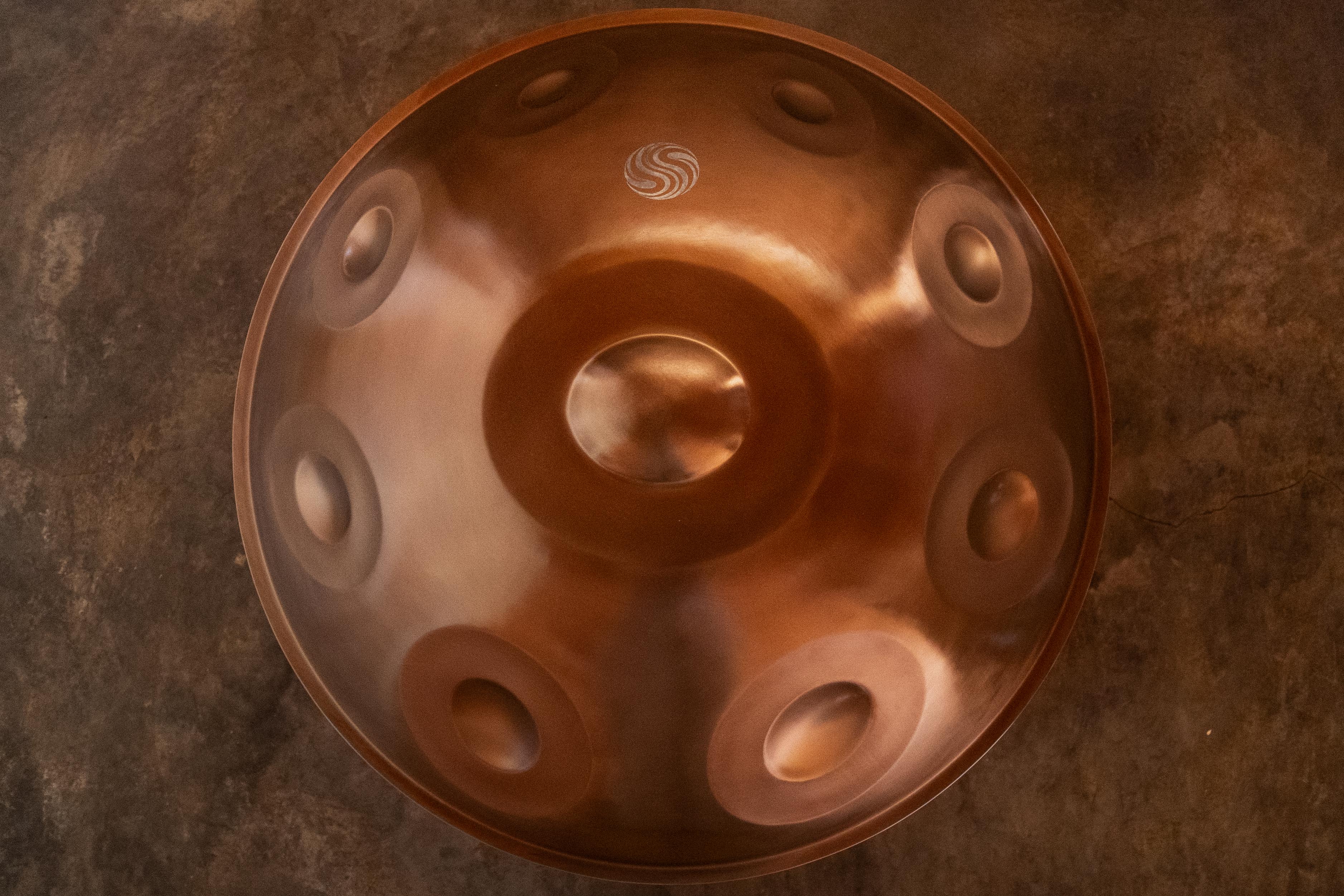
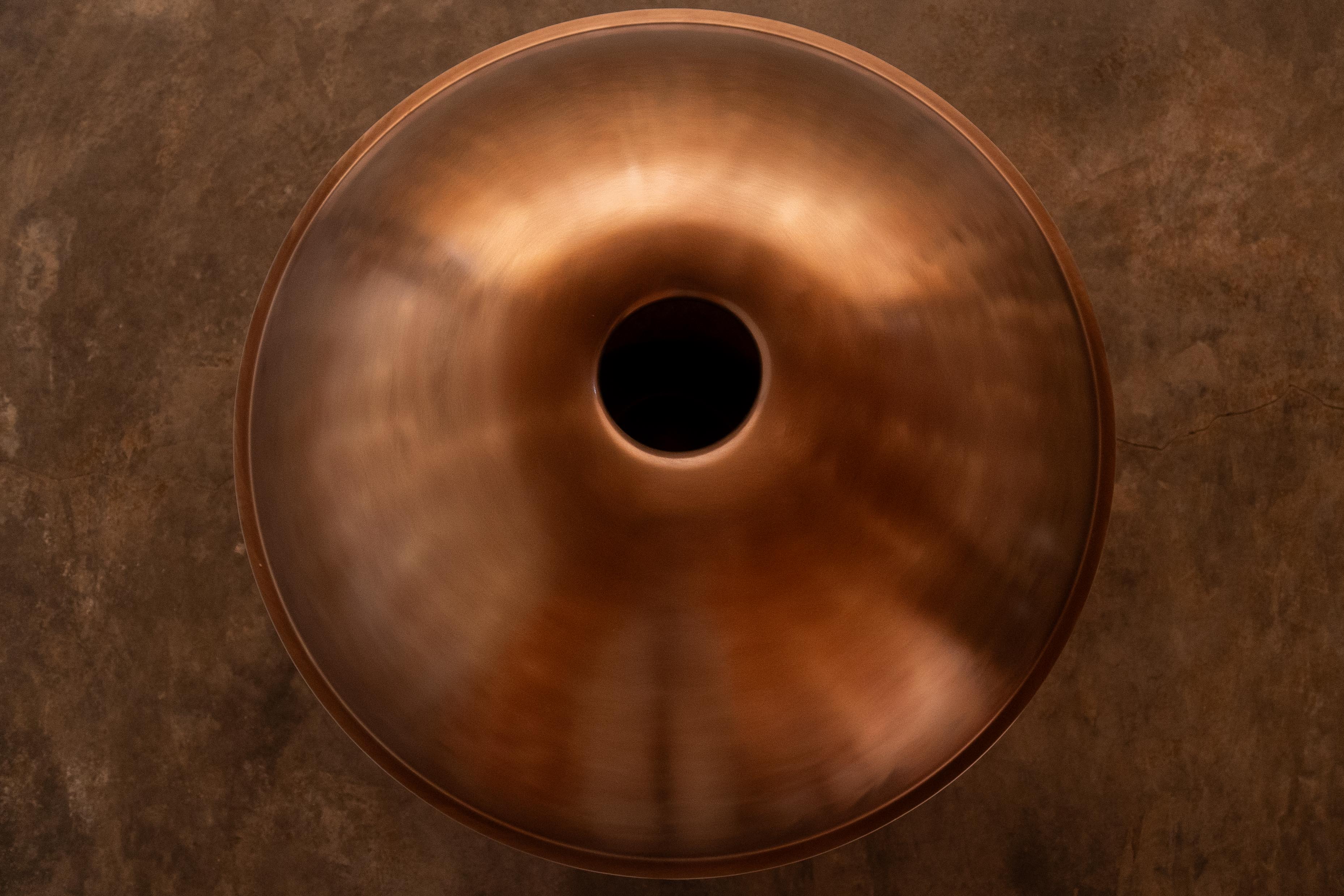
D Kurd 9 Bottom Shell
9 Notes
D Kurd 9
750 EUR

The world's most loved handpan scale at its purest. Nine notes of natural D minor — emotional, grounded, beginner-proof.

D3 / A3 · Bb3 · C4 · D4 · E4 · F4 · G4 · A4
D Kurd 10 Bottom Shell
10 Notes
D Kurd 10
770 EUR

One added high note opens the phrase. The C5 rounds out the scale beautifully.

D3 / A3 · Bb3 · C4 · D4 · E4 · F4 · G4 · A4 · C5
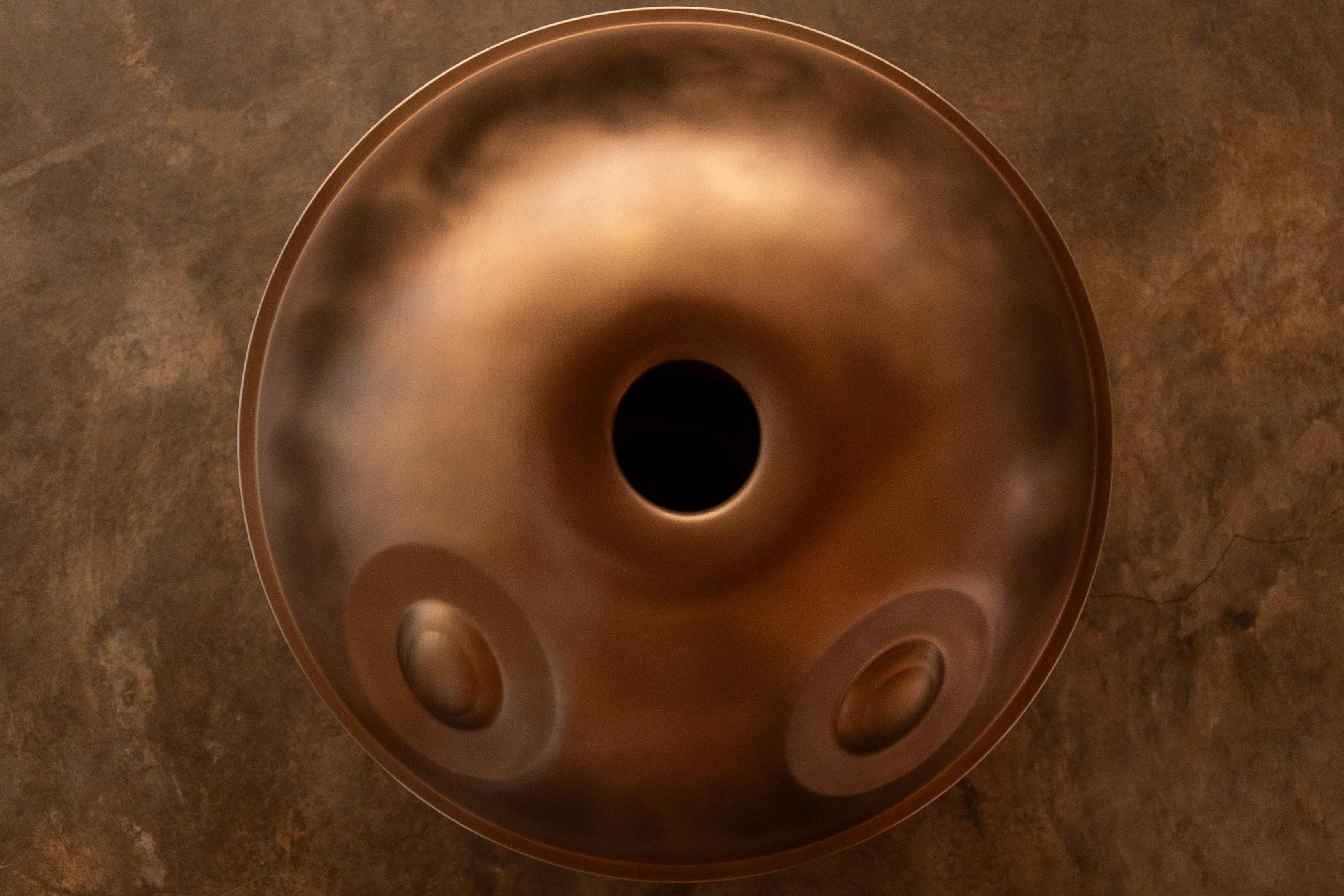
D Kurd 11 Bottom Shell
11 Notes
D Kurd 11
820 EUR

Now you move between registers — bass drone below, singing melody above.
D3 / A3 · Bb3 · C4 · D4 · E4 · F4 · G4 · A4 · C5 · D5
D Kurd 12 Bottom Shell
12 Notes
D Kurd 12
890 EUR

Extended with two bottom notes F3 and G3, this layout gives you a deep, full bass response.

D3 / (F3 · G3) · A3 · Bb3 · C4 · D4 · E4 · F4 · G4 · A4 · C5
D Kurd 13 Bottom Shell
13 Notes
D Kurd 13
920 EUR

The full expression. Extended bass and high D5 give you an orchestral palette.
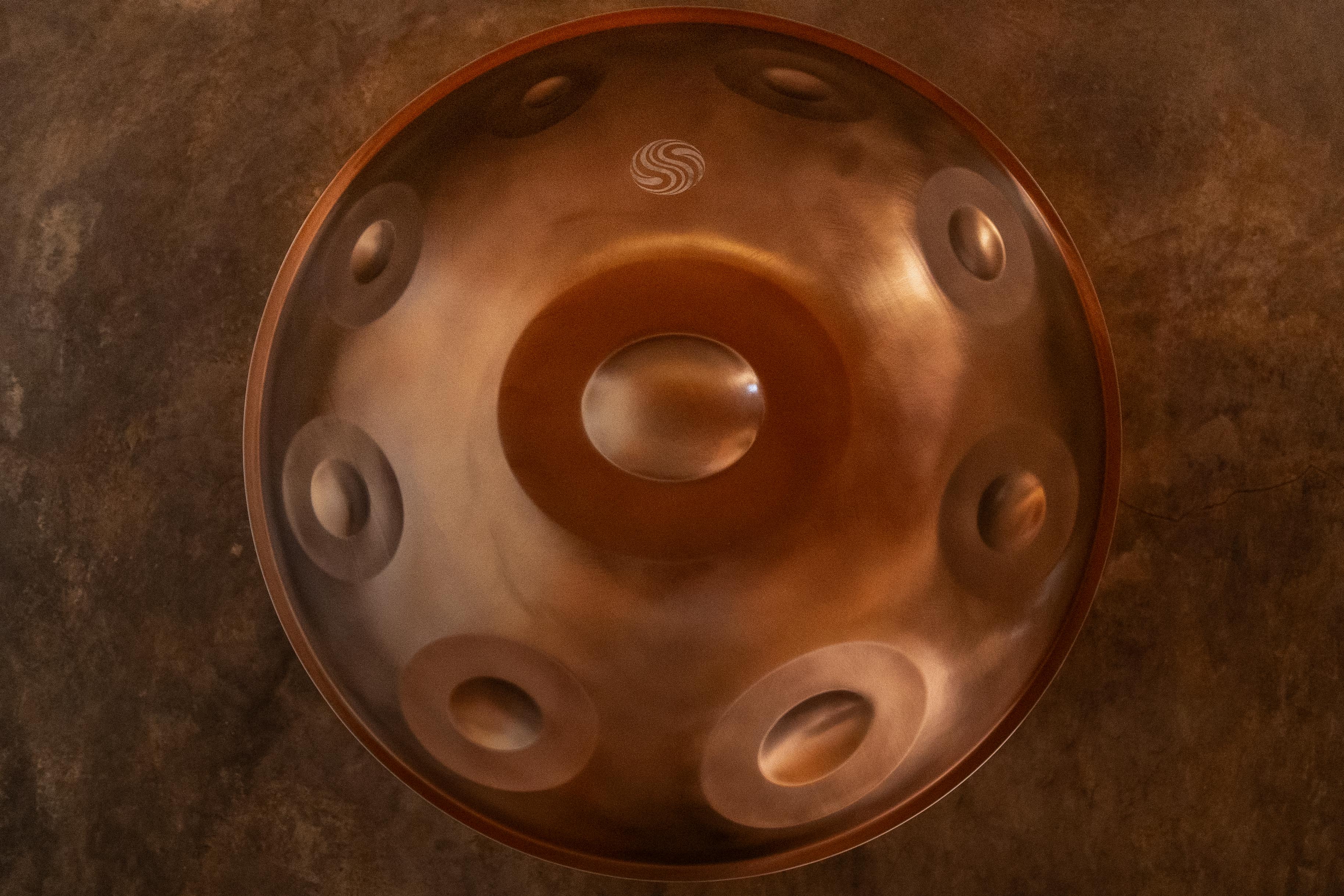
D3 / (F3 · G3) · A3 · Bb3 · C4 · D4 · E4 · F4 · G4 · A4 · C5 · D5
D Amara 9 Bottom Shell
9 Notes
D Amara 9
720 EUR

Fluid, mystical, and instantly beautiful. Amara removes dissonant intervals.

D3 / A3 · C4 · D4 · E4 · F4 · G4 · A4 · C5
D Amara 10 Bottom Shell
10 Notes
D Amara 10
770 EUR

High D5 opens the scale outward. Phrases resolve in a new place.

D3 / A3 · C4 · D4 · E4 · F4 · G4 · A4 · C5 · D5
D Amara 11 Bottom Shell
11 Notes
D Amara 11
820 EUR

The addition of high D5 and E5 extends the melody to a soaring new register.

D3 / A3 · C4 · D4 · E4 · F4 · G4 · A4 · C5 · D5 · E5
D Amara 12 Bottom Shell
12 Notes
D Amara 12
890 EUR

With shoulder notes G3 and F3 enriching the low end, the Amara gains depth.

D3 / (G3 · F3) · A3 · C4 · D4 · E4 · F4 · G4 · A4 · C5 · D5
D Amara 13 Bottom Shell
13 Notes
D Amara 13
920 EUR

The most complete Sadhaka Amara. Shoulder bass plus a hint of high E5.

D3 / (G3 · F3) · A3 · C4 · D4 · E4 · F4 · G4 · A4 · C5 · D5 · E5
Our Team

Meet the makers
behind the metal.

Sadhaka is a living school where dedicated apprentices hone their craft under the direct guidance of master builders. Discover the individuals pouring their dedication into every instrument.
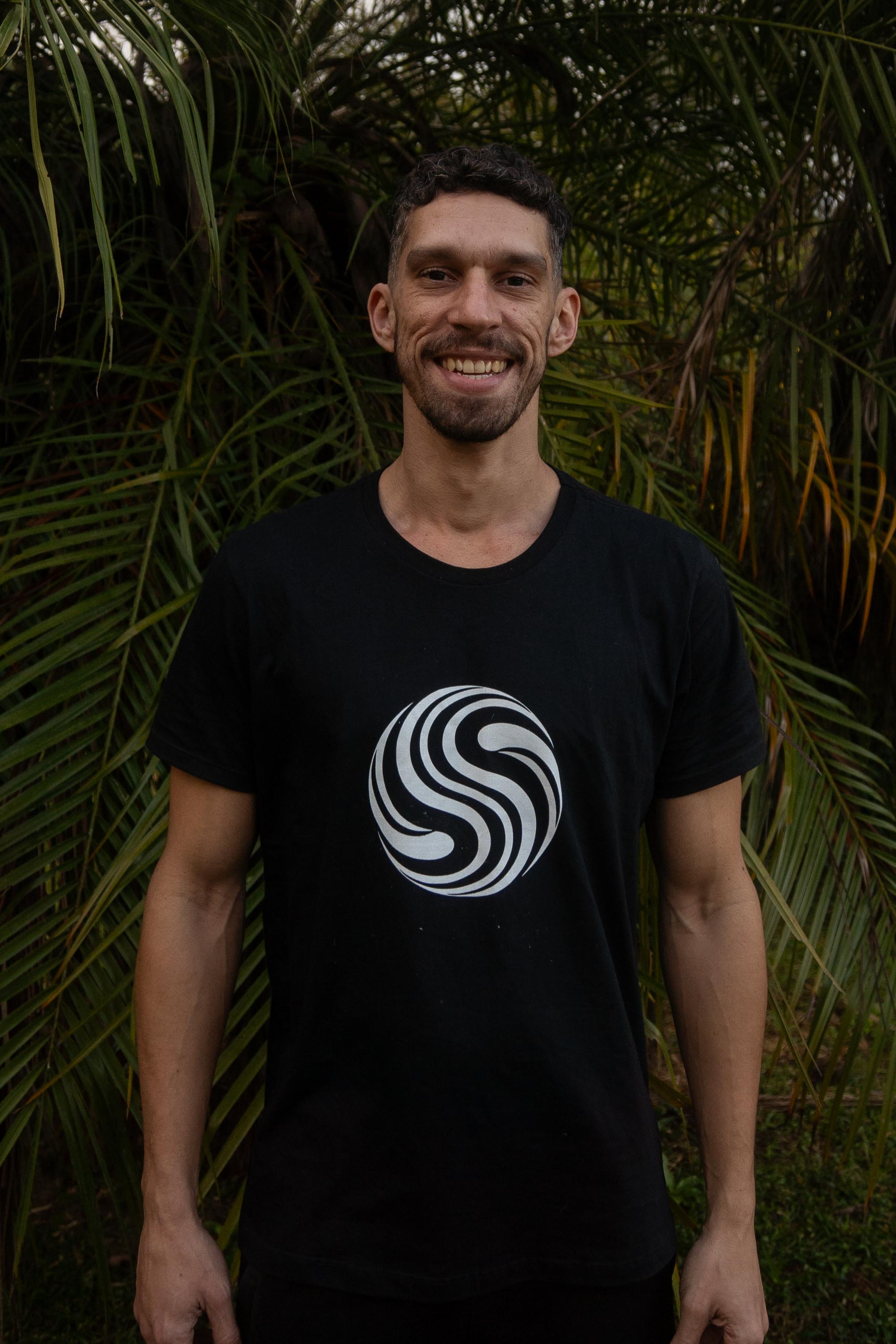
Daniel Guimarães
Daniel Guimarães
Lead Builder & Main Tuner
Daniel has been an integral part of the Satya team since 2018. Having trained rigorously across every discipline of the craft, he knows how to transform a flat steel sheet into a high-quality handpan—from raw material to the final, delicate stages of tuning. As our lead builder at Sadhaka, Daniel's hands shape the core of our instruments, always under the close supervision of Satya founders, Antonio and Pedro.
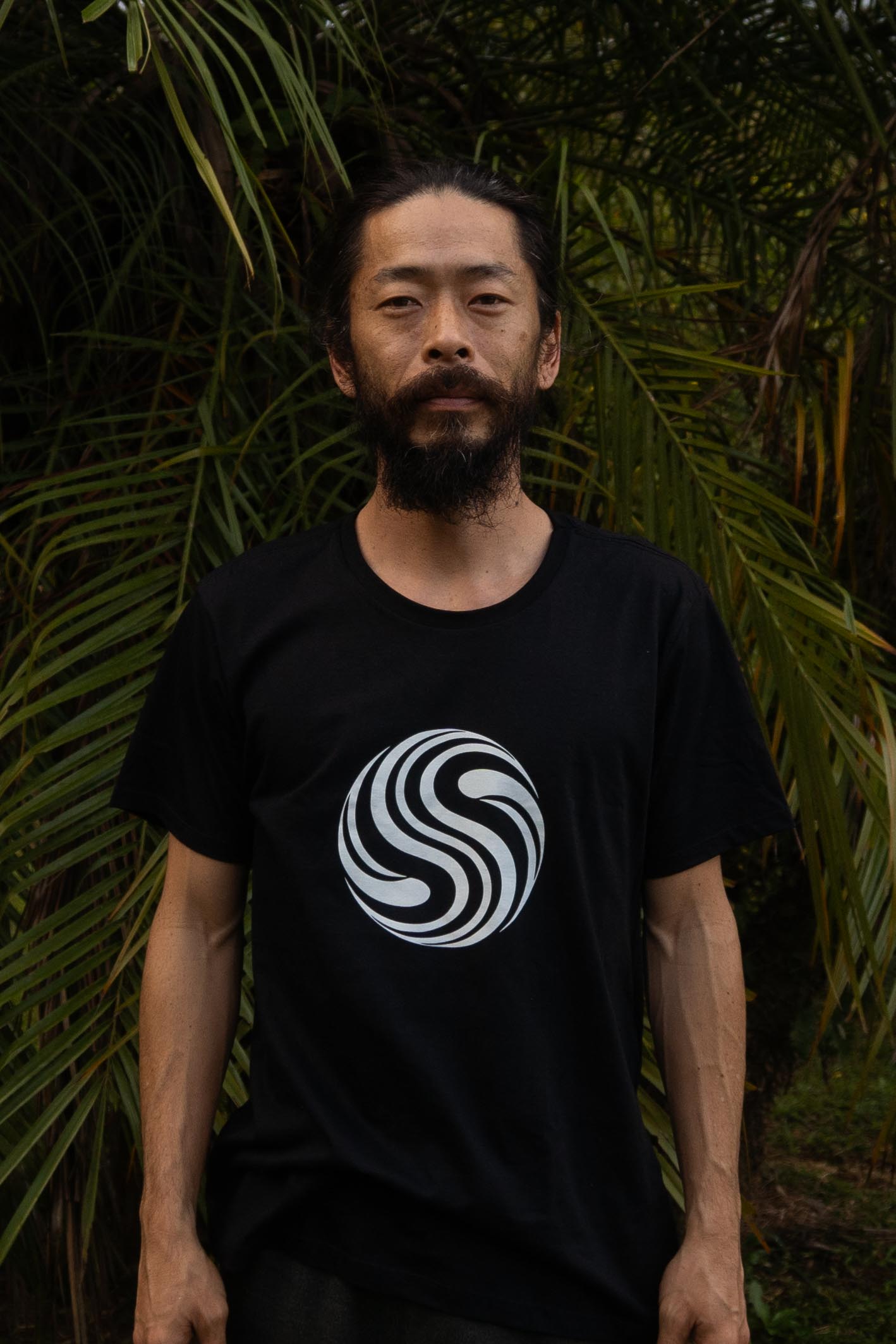
Luiz Felipe Wakatsuki
Builder Apprentice
A more recent addition to the workshop, Luiz brings fresh energy and profound dedication to the art of sound sculpture. He is rapidly demonstrating incredible natural skills in handpan construction. Driven by a constant desire to learn, refine, and evolve in his craft, Luiz represents the passionate future of the Sadhaka workshop.
Coelho Opensamemby
Coelho Opensamemby
Finishing & Assembly Specialist
Coelho has been an essential part of the workshop for nearly two years, bringing deep dedication and precision to the finishing stages of our sound sculptures. He specializes in the meticulous grinding and polishing of the instrument rims, while also assembling each fiberglass protective helmet. His confident, high-quality work ensures that every Sadhaka is perfectly finalized and safely secured for its journey.
What's in the Box

Everything you need
to begin.

Your Instrument
Your chosen Sadhaka model, fully tuned and inspected before shipping.
Premium Bag
A padded carry bag to keep your handpan safe wherever you go.
Fiberglass Helmets
A pair of strong custom dome protectors — our sustainable answer to plastic packaging.
Care Instructions
Clear, friendly guidelines for maintaining your instrument over the years.

Sound & Playability

Every Sadhaka has a wide dynamic range. It responds clearly to very gentle touches — ideal for meditative practice — but holds up beautifully when played with energy and presence. The higher notes carry a slight brightness that adds definition without ever becoming harsh.

Craft & Finish

Between the tone fields, the surface is shaped by hand — giving each instrument a unique tactile texture. The finish is a warm brown-gold, clean and understated.

Handpans are unique, handcrafted instruments. Small variations in surface color and texture are perfectly normal and do not affect sound quality or tuning.
Dimensions - Diameter (standard)
Diameter53 cm
Height26 cm
Weight~4.3 kg
Diameter (compact)
Diameter50cm
Height24.6cm
Weight3.9kg
Technical
Standard Pitch440 Hz
MaterialEmber Steel
FinishBrown / Golden
Scales
D KurdNatural Minor
D AmaraCeltic Minor
Shipping

We ship worldwide, packaged without a single piece of plastic. Custom fiberglass helmets protect the dome; craft paper fills the void; recycled cardboard seals the whole. Lead time is typically 4–8 weeks after order confirmation.

Frequently Asked Questions

Everything you
want to know.

A handpan is a concave steel percussion instrument played with the bare hands. Each note carries a fundamental tone plus natural overtones that sustain and interact, creating a warm, spherical, resonant sound. Invented in Switzerland in 2000, it has become one of the most emotionally affecting acoustic instruments of our time.
Not at all — especially with Sadhaka's carefully chosen scales. Each model uses a minor or pentatonic scale in which every note sounds musical, and there are no "wrong" combinations. With a little practice, complete beginners are making beautiful music within their first sessions.
A steel tongue drum uses cut metal tongues to produce sound — it's a simpler, less resonant instrument with a shorter sustain. A handpan uses tuned steel tone fields shaped by hand, producing far greater resonance, overtone richness, and expressive range. They are fundamentally different instruments despite a superficial visual resemblance.
Imagine a blend of steel drum, kalimba, and singing bowl — warm, spherical, and deeply resonant. Each note sustains with a natural harmonic cloud around every touch. Many people find the sound instinctively calming, even deeply meditative, on first hearing.
A scale is the specific collection of notes tuned onto your instrument. Unlike a piano, a handpan is permanently tuned to one scale — so choosing your scale is one of the most important decisions you'll make. Each scale has its own emotional character: D Kurd feels grounded and cinematic; D Amara feels fluid and mystical; C# Pygmy feels earthy and trance-like.
For beginners, 9 notes is often the sweet spot. Fewer notes means more focus and faster fluency. More notes (12–15) give you greater melodic range and complexity, but require more time to master the layout. If unsure, start with 9 or 10 — you'll know your instrument deeply, and can always upgrade later.
Both are beautiful D minor scales. D Kurd is the full natural minor — it includes all seven diatonic minor notes, including a Bb that creates slight tension and emotional depth. D Amara is the Celtic minor — it omits that interval, leaving only the smoothest, most fluid notes. Everything on an Amara sounds immediately beautiful; D Kurd has more harmonic complexity.
No — the scale is physically tuned into the steel during construction and cannot be changed afterward. This is why choosing your scale carefully matters. Listen to examples of each scale, and reach out to us if you're unsure — we're genuinely happy to help you decide.
The 50 cm instruments (F Kurd 9) are compact versions — slightly smaller, lighter, and easier to carry, with a more intimate, focused resonance. Standard Sadhaka models at 53 cm are full-size with the broadest dynamic range.
Not at all. The handpan is one of the most accessible acoustic instruments precisely because its scale is pre-chosen — every note harmonizes with every other. You don't need music theory or prior training. Many of the world's most expressive handpan players are entirely self-taught.
You strike the tone fields with your fingertips and the base of your thumb — no mallets or sticks. Technique involves a light, rebound-style touch: tap and immediately release, letting the note ring. The center note (the "ding") is played with the middle joint of the thumb. Most players hold the instrument across their lap, playing with both hands simultaneously.
You can make beautiful sounds within your very first session. Basic fluency — knowing the layout by feel, playing simple melodies — often comes within a few weeks of regular practice. Deep two-handed musicality develops over months and years. The handpan rewards patience generously.
No stand is required. Most players rest the instrument across their lap while sitting — this is the traditional playing position. Stands are available for playing while standing or for display. We can advise on accessories if needed.
Keep your instrument in its bag when not in use. Avoid extreme temperature changes. After playing, wipe down with a clean dry cloth — your hands' natural oils can affect the surface over time. Every few months, apply a light coat of Phoenix Oil or Froglube to protect against humidity. Full care instructions are included with every Sadhaka.
Over many years of heavy playing, steel handpans can drift slightly in pitch — this is normal for any finely tuned acoustic instrument. Tuning maintenance by a qualified handpan tuner is possible and straightforward. With normal home use and proper care, a well-built instrument holds its tuning for many years.
Yes — handpans are wonderful outdoors. Avoid playing in heavy rain or leaving the instrument in saltwater environments for extended periods. If you play near the sea, wipe and oil the surface after each session. Never store a damp instrument in its bag.
Contact us. Sadhaka instruments carry the quality guarantee of Satya Sound Sculptures. Manufacturing defects will be addressed directly. For drift caused by normal play over years, we can connect you with a qualified handpan tuner in your region.
Typically 8 to 16 weeks from order confirmation. Each instrument is handcrafted individually — this cannot be rushed without compromising quality. We keep you informed throughout the process, and your instrument won't ship until it passes full quality inspection.
Yes. We ship to virtually every country. Shipping costs and customs duties vary by destination and will be quoted before your order is finalized. We pack every instrument with our custom fiberglass helmet system — zero plastic, fully protective.
We accept Visa, Mastercard, Amex and bank transfer via Wise or crypto currency. All orders are confirmed personally — we'll follow up within 24 hours after checkout to confirm details and provide a final invoice.
We don't currently have a permanent showroom, but we attend select handpan events and festivals. Contact us — if you're in or near São Paulo, a workshop visit may be possible. We strongly encourage you to listen to scale preview recordings and reach out with any questions before ordering.
Yes. Every Sadhaka instrument carries a quality guarantee covering manufacturing defects in materials and tuning. Our goal is your long-term satisfaction — we respond to every customer concern personally.
Sadhaka is a training school and instrument brand created by Satya Sound Sculptures — Brazilian makers who have been crafting handpans since 2013. Sadhaka instruments are built by apprentice makers under the direct supervision of Satya's masters, meeting the same quality standards, at a more accessible price.
Satya Sound Sculptures instruments are built exclusively by the master makers and represent the full range of their art — including complex, extended, and custom scales. Sadhaka focuses on accessible, beginner-friendly models in proven scales, built by trained apprentices under strict supervision. Both share the same quality floor — no Sadhaka ships without passing Satya's standard.
Because they are built by apprentice makers still in training — which is the entire point of Sadhaka. The time invested per instrument is similar, but the apprentice's daily rate reflects their stage of development. This difference is passed directly to you. The quality guarantee comes from Satya's supervision of every instrument before it ships.
Absolutely. Many Sadhaka customers go on to order Satya instruments as their playing grows. Owning a Sadhaka first is genuinely useful — it helps you understand which scale you love, how many notes you actually use, and what kind of sound you're searching for in a more advanced instrument.

Stay in tune.

New instruments, scale previews, and notes from the workshop. Quiet and worth it.

Contact

Talk to us
before you decide.

Not sure which scale suits you? Wondering whether 9 or 13 notes is right for now? We're here for exactly these questions — and we respond personally to every message.

Sadhaka is backed by Satya Sound Sculptures — over a decade of handpan building, right behind you from the moment you reach out.

sadhakasoundsculptures@gmail.com
Piracaia, São Paulo · Brazil

We read every message personally and respond within a few days.